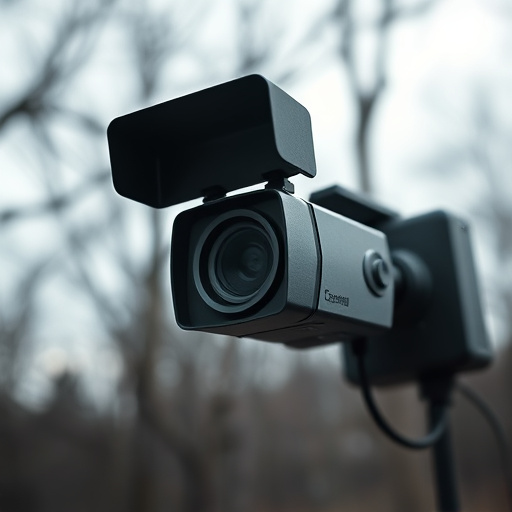
Hidden cameras, or nanny cams, pose a modern privacy concern. Radio Frequency (RF) technology powers their wireless transmission. RF detection tools scan for unusual signals to uncover hidden cameras. Optimal placement involves strategic observation in high-traffic areas and near points of access. Advanced RF scanning technologies use sophisticated equipment to detect and identify camera signals. Nanny Cam Placement Tips Home ensure comprehensive protection from covert surveillance.
Uncover the unseen with our comprehensive guide on detecting hidden cameras using radio frequency (RF) technology. Learn how RF signals, often employed by covert surveillance devices like nanny cams, can be traced and neutralized. This article equips homeowners with essential knowledge and practical tips, including identifying potential nannycam locations and advanced RF scanning techniques. Discover the tools and methods to ensure your home’s privacy and security in an era where hidden cameras are a growing concern.
- Understanding Radio Frequency (RF) Technology for Hidden Camera Detection
- Identifying Potential Nanny Cam Locations in Your Home
- Advanced RF Scanning Techniques to Uncover Hidden Devices
Understanding Radio Frequency (RF) Technology for Hidden Camera Detection
Hidden cameras, often referred to as nanny cams, are a modern-day concern in homes and businesses alike. To detect these clandestine devices, understanding radio frequency (RF) technology is key. RF is a type of electromagnetic radiation that carries energy through space in the form of waves. Many hidden cameras operate using RF signals, transmitting video and audio data wirelessly to a receiver. This makes them versatile for placement in various locations, from Nanny Cam Placement Tips Home settings to public spaces.
RF detection tools can help identify these devices by scanning for unusual radio signals. These tools often include frequency scanners or dedicated camera detectors that can pick up on the specific RF signatures of hidden cameras. By learning about different RF bands and protocols commonly used in such devices, individuals can stay vigilant and protect their privacy in an era where technology is increasingly integrated into everyday life.
Identifying Potential Nanny Cam Locations in Your Home
When it comes to identifying potential nanny cam locations in your home, it’s essential to think like a covert observer. Hidden cameras are often placed in areas that offer unobstructed views and minimal detection risk. Common spots include bedrooms, bathrooms, kitchens, and living rooms. Pay close attention to corners where furniture is placed, as these can provide the perfect cover for small cameras. Additionally, look for devices disguised as everyday objects like smoke detectors, light bulbs, or even thermal meters.
For effective nanny cam placement tips home security, consider high-traffic areas and points of entry. Entrances and exits, as well as staircases, are strategic locations where caregivers might monitor comings and goings. Keep an eye out for any unusual wiring or power outlets that could indicate the presence of a hidden camera. Regularly inspect your home’s perimeter, including windows and doors, as these are common points of access for intruders equipped with surveillance gear.
Advanced RF Scanning Techniques to Uncover Hidden Devices
In the quest to uncover hidden cameras, especially in domestic settings like homes, advanced Radio Frequency (RF) scanning techniques have emerged as indispensable tools. These methods go beyond basic detector devices by employing sophisticated technology to pinpoint and identify wireless signals emanating from hidden cameras, often referred to as nanny cams. By analyzing RF signatures, experts can detect devices with remarkable accuracy, even when they are not actively transmitting data.
One cutting-edge approach involves using specialized RF scanners capable of capturing and interpreting a wide range of frequencies. This enables them to identify the specific signals used by hidden cameras, which may operate on frequencies not commonly associated with consumer electronics. Additionally, advanced software algorithms can process the captured data, filtering out interference from other devices to zero in on the unique signals of hidden cameras. Such techniques are invaluable for home security professionals and privacy advocates seeking to protect their personal spaces from intrusive surveillance.
Detecting hidden cameras using radio frequency (RF) technology is a powerful tool for ensuring privacy and security in your home. By understanding RF technology, identifying common nanny cam locations, and employing advanced scanning techniques, you can uncover any covert devices. Remember, staying informed about these tactics is key to maintaining a safe and private living space. Implement these nanny cam placement tips for home security and peace of mind.